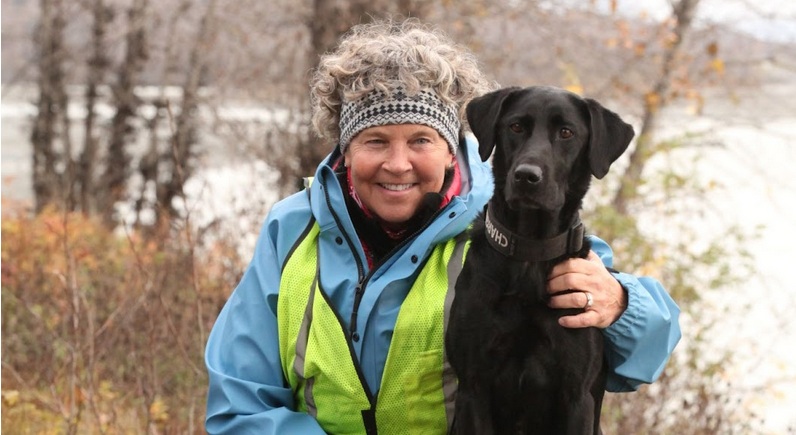
Melissa Kindt is the founder of Canines for Heritage Preservation and lead handler for the detection dog teams. Her work focuses on the use of archaeological human remains detection (AHRD) dogs to support the identification and documentation of unmarked burials, historic cemeteries, and culturally sensitive sites.
Her approach integrates detection dogs with geospatial analysis, remote sensing, and sUAS data collection to support accurate, non-invasive field investigations. She has contributed to archaeological and research-based projects across the United States, working alongside archaeologists, researchers, and public agencies in a range of environmental and operational contexts.
Melissa’s work is informed by ongoing academic training in anthropology, archaeology, forensic anthropology, and GIS, with a focus on detection methods and remote sensing in burial identification. She maintains certifications in human remains detection dog handling and FAA Part 107 sUAS operations, supporting a consistent, standards-based approach to fieldwork and data collection. Melissa is actively researching remote applications for unmarked burial detection in the forms of sUAS based sensors (LiDAR, thermal, etc) and bio-sensors (trained detection canines). She recently presented two of her undergraduate term projects at Colorado Council for Professional Archaeologists. One was a comparison of various sUAS-borne sensors to collect high resolution data in Western Colorado historic cemeteries to identify burials. The other was a GIS-based study to determine the mean distance between an AHRD dog's trained final response (TFR) and a burial-type anomaly in other remote sensing data (GPR, LiDAR, Thermal, MSI) in historic cemeteries.
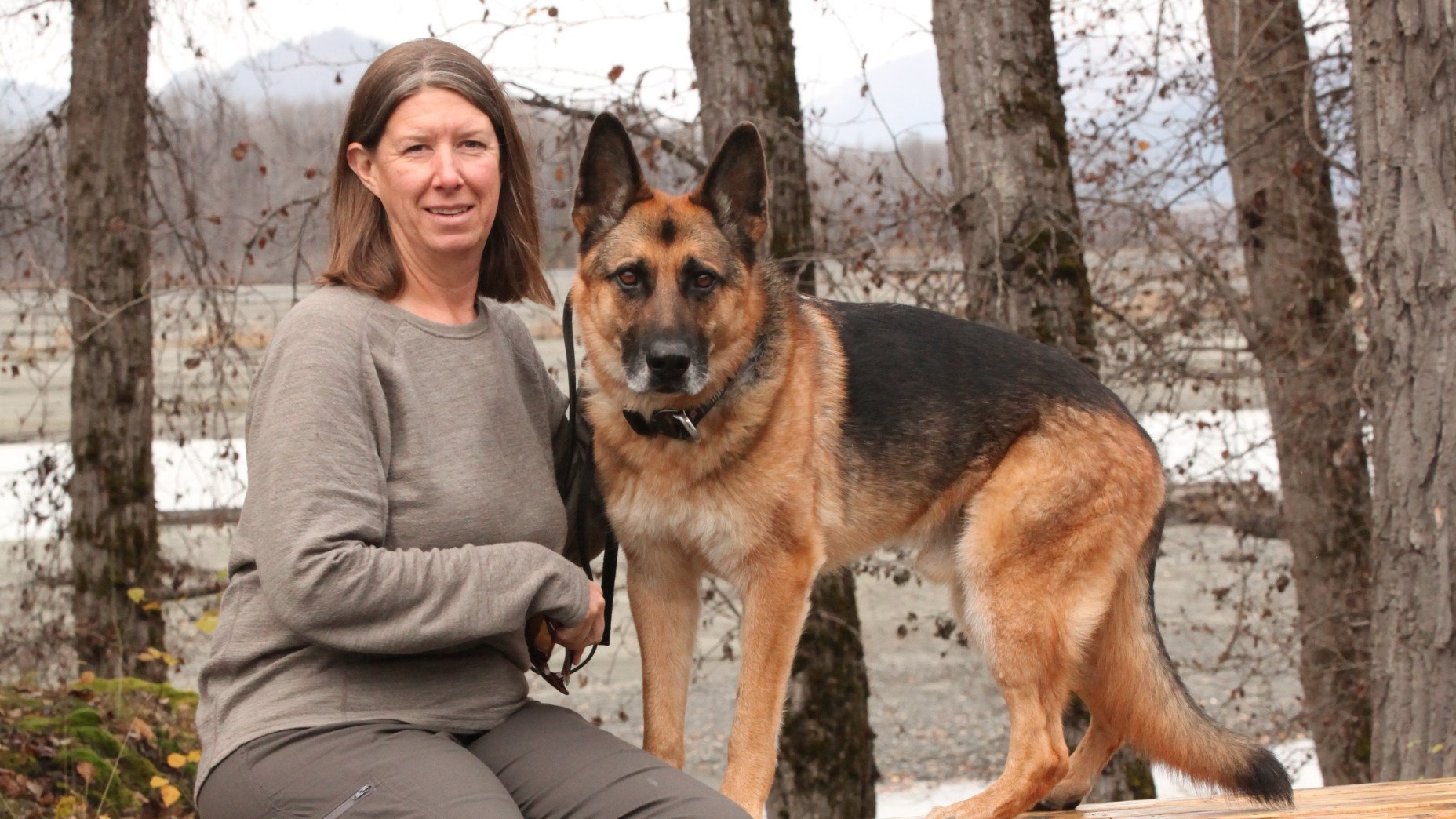
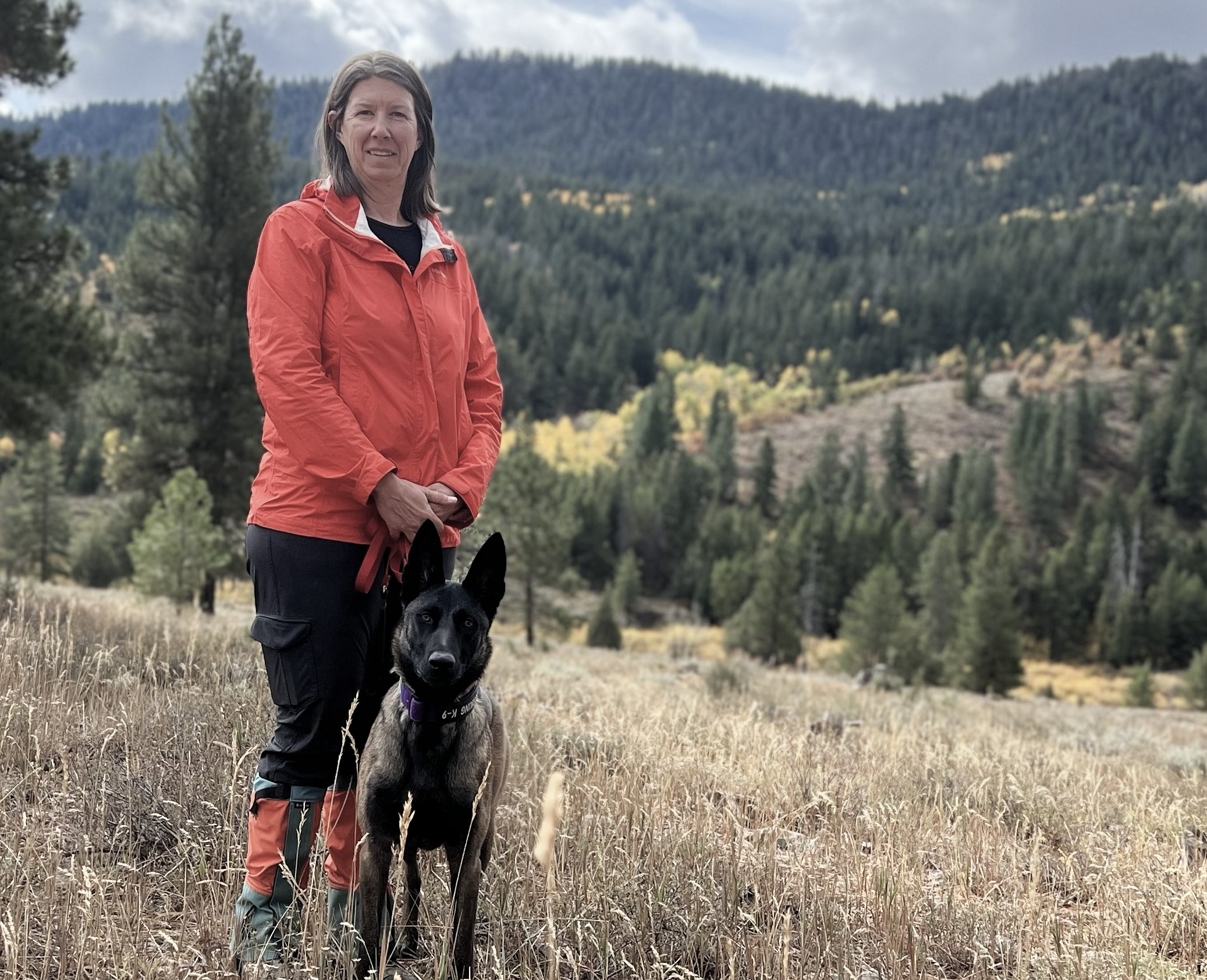
Her experience with detection dogs began in search and rescue and evolved into forensic and archaeological applications under the direction of her mentor Paul S. Martin, MA, RPA. Hawk, a working-line German Shepherd, played a foundational role in this transition. While now largely retired, his influence remains central to her work. Melissa’s current working partner, Cheela, is a Belgian Malinois trained in archaeological human remains detection and active in field deployments.
In addition to professional work, Melissa remains active in the working dog and preservation communities through training, mentorship of search and rescue handlers, and support of public education efforts, including volunteer work with the Ute Indian Museum. She also contributes time to preservation-focused and community-based projects involving historic burial sites.
She is experienced in the outdoors through childhood recreational adventures, Girl Scouting, and, more recently, hunting, and back country search and rescue.